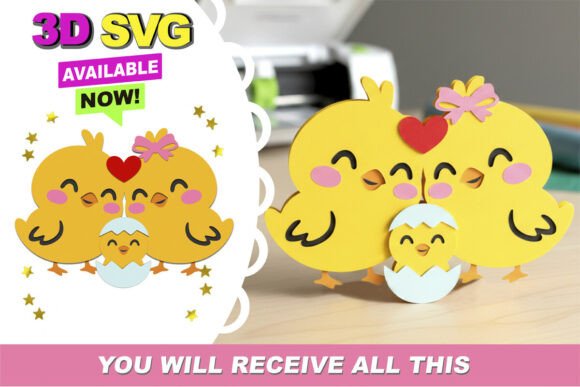
Unveiling the Artistry of the Forest Magic Chicken 3D Tunnel Card SVG
In the realm of paper crafting, few mediums offer the same tactile satisfaction and visual impact as layered card design. Among the myriad of digital assets available to modern crafters, the Forest Magic Chicken 3D Tunnel Card SVG stands out as a sophisticated project that bridges the gap between simple greeting cards and complex papercraft sculptures. This unique design does not merely sit flat on a surface; it creates depth, movement, and narrative through its intricate seven-layer construction. For hobbyists, educators, and professional designers alike, understanding the mechanics and creative potential of this specific template is essential for elevating one’s portfolio or classroom projects.
The core appeal of this product lies in its versatility. It is not confined to a single display method. The structural integrity of the card allows it to function as a shelf decoration, a wall-hanging art piece, or an intimate gift exchange item. By leveraging vector-based design files, creators can manipulate scale, color, and texture to suit any occasion, from whimsical birthday celebrations to serene nature-themed events. The following analysis explores the technical specifications, creative applications, and practical considerations involved in bringing this three-dimensional paper magic to life.
The Architecture of Depth: Understanding the 7-Layer System
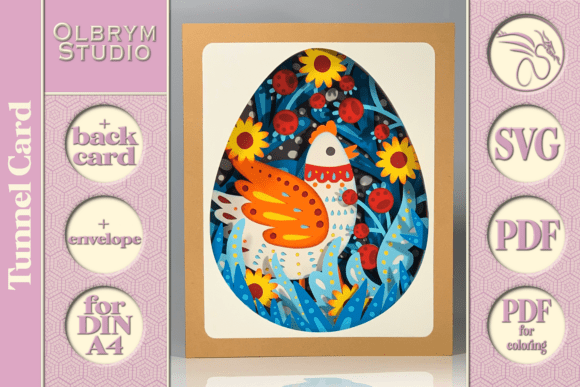
What distinguishes the Forest Magic Chicken design from standard pop-up cards is the implementation of a multi-layered tunnel effect. Achieving a convincing three-dimensional illusion requires precise engineering within the digital file itself. The design utilizes seven distinct layers, each contributing to the perception of space and perspective. When assembled correctly, these layers create a "tunnel" effect where the foreground elements appear to float above the background scenery, drawing the viewer’s eye into the center of the composition.
This layering technique is particularly effective for depicting natural environments. In the case of the chicken motif, the layers can represent different depths of a forest floor, tree trunks, foliage, and the sky. The separation between layers prevents visual clutter, allowing each element to breathe. For the crafter, this means that the assembly process is essentially a lesson in spatial awareness and alignment. Success depends on consistent spacing and accurate cutting, ensuring that the layers do not interfere with one another when the card is opened.
Material Selection and Dimensional Specifications
To achieve the structural stability required for a seven-layer design, material choice is paramount. The supply list provided with the digital download suggests a hierarchy of paper weights to ensure the card holds its shape without collapsing under its own complexity.
- Paper 300gsm: Ideally suited for the base board and structural supports. This heavy-weight cardstock provides the necessary rigidity to keep the tunnel open and stable.
- Paper 160gsm: Recommended for intermediate layers. This weight offers a balance between durability and ease of folding, making it ideal for the main scenic elements.
- Paper 130gsm: Best used for delicate foreground details or smaller cutouts. Lighter paper allows for finer details to be rendered without adding excessive bulk to the front of the card.
The physical dimensions of the final product are carefully calculated to fit standard stationery sizes while maximizing visual impact. The card measures 18.5 cm (7.3 inches) in height and 15.0 cm (5.9 inches) in width. These proportions are slightly taller than they are wide, creating a portrait orientation that frames the verticality of trees or the stature of the chicken character effectively.
Equally important is the envelope specification. The included envelope measures 20.5 cm (8.0 inches) in height and 19.8 cm (7.8 inches) in width. This generous sizing ensures that the thick, multi-layered card can be inserted and removed without damaging the delicate tabs or creases. All pattern pieces are optimized to fit on a standard DIN A4 sheet, minimizing paper waste and making the project accessible to home users without access to large-format printers.
Creative Versatility: Beyond Standard Coloring
One of the most compelling aspects of the Forest Magic Chicken 3D Tunnel Card SVG is its adaptability. While the default files may come in black and white line art suitable for coloring, the design invites experimentation with various media. This flexibility makes it an excellent resource for educators teaching color theory, texture, and mixed-media techniques.
Traditional Media Applications
For those who prefer analog methods, the card serves as a canvas for colored pencils, watercolors, markers, or ink stamps. The large surface area of the background layers allows for gradient blending and detailed shading. Using different paper colors—such as a deep green for the forest floor or a soft blue for the sky—can drastically alter the mood of the piece before any additional coloring is applied. Stamping techniques can add texture to the bark or feathers, enhancing the tactile quality of the finished object.
Digital and Mixed-Media Approaches
Conversely, digital artists can print the files directly onto colored or textured paper stocks. Some folders included in the download contain PDFs specifically designed for printing on colored paper, which reduces the need for manual coloring. Furthermore, the clean vector lines allow for crisp application of metallic inks or embossing powders, adding a premium feel to the final product. The ability to mix these techniques—for example, stamping a background and hand-coloring the foreground subject—creates a unique hybrid aesthetic that is difficult to replicate with pre-printed commercial cards.
Functional Display Options
The structural design of this card transcends its traditional role as a disposable greeting item. Because of its robust construction and artistic depth, it functions as a decorative object. Creators should consider how the card will be presented to maximize its visual appeal.
Shelf Decoration: The card can stand upright on a desk or bookshelf. The back of the card includes patterns that ensure it looks finished from all angles, even when viewed from the side. This turns the card into a small sculpture that adds personality to a workspace.
Wall Hanging: With the addition of ribbon or string attached to the top corners, the card can be suspended. The tunnel effect becomes more pronounced when viewed from a distance, as the shadows cast by the overlapping layers create dynamic contrast against a wall. This option is particularly effective for holiday decorations or gallery-style displays.
Gift Presentation: As a gift, the card offers a memorable unboxing experience. The inclusion of a matching envelope with coordinated patterns enhances the perceived value. The use of velcro glue dots or double-sided tape during assembly ensures that the card remains secure during transport but can still be interacted with upon arrival.
Assembly Workflow and Technical Considerations
Successfully assembling the Forest Magic Chicken card requires patience and precision. The digital package includes a comprehensive PDF manual that guides the user through the folding and gluing process. However, understanding the general workflow helps in anticipating challenges.
- Preparation: Begin by sorting the paper by weight. Ensure that your cutting tools are sharp, as dull blades can tear the multiple layers of paper during the cutting phase.
- Layering Strategy: Assemble the layers from back to front. Start with the heaviest cardstock for the base, then attach subsequent layers using double-sided tape or glue dots. The 1.5 cm velcro glue dots mentioned in the supply list are particularly useful for securing larger sections without adding visible bulk.
- Alignment: Precision is key. Misaligned layers can disrupt the tunnel illusion. Use registration marks provided in the SVG/PDF files to ensure perfect stacking.
- Finishing Touches: Once assembled, review the card for any loose edges. If coloring manually, complete this step before final assembly to avoid smudging the glued areas.
It is crucial to remember that this is a digital product for instant download. No physical materials are shipped. Buyers must source their own paper, adhesives, and cutting equipment. The files typically include SVG formats for use with electronic cutting machines (such as Cricut or Silhouette), as well as PDF folders for hand-cutting or printing. Additional folders may contain versions of the artwork ready for direct printing on colored backgrounds, streamlining the workflow for experienced users.
Target Audience and Educational Value
The Forest Magic Chicken 3D Tunnel Card SVG appeals to a diverse demographic. For hobbyists and crafters, it offers a challenging yet rewarding project that results in a high-quality keepsake. The complexity of the seven-layer system provides a satisfying learning curve, encouraging skill development in paper engineering.
For educators, this project is an excellent tool for STEM education. It introduces concepts of geometry, perspective, and structural integrity in a hands-on manner. Teachers can use the card to demonstrate how 2D designs translate into 3D objects, fostering critical thinking and fine motor skills in students.
Professional designers and business owners in the greeting card industry may find inspiration in the layout and layering techniques. The SVG format allows for easy customization, enabling businesses to create branded versions of the card for corporate gifts or promotional events. The ability to change colors and patterns digitally makes it a cost-effective solution for small-batch production.
Conclusion
The Forest Magic Chicken 3D Tunnel Card SVG represents a fusion of digital convenience and traditional craftsmanship. Its seven-layer design, adaptable dimensions, and versatile display options make it a standout choice for anyone looking to create meaningful, three-dimensional paper art. Whether used as a heartfelt gift, a classroom project, or a decorative accent, the card offers endless possibilities for creativity. By understanding the materials, assembly techniques, and artistic potential outlined here, users can fully harness the power of this digital asset to produce stunning results.