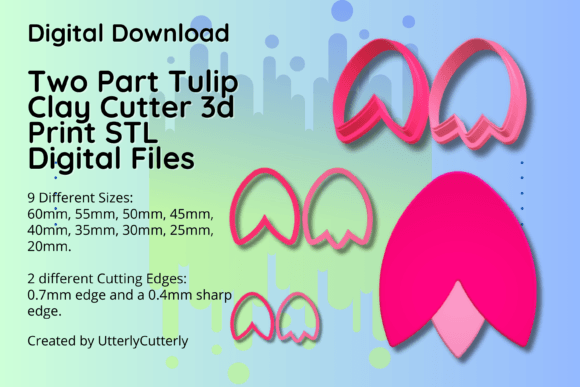
Clay Cutter STL Two Part Tulip 3d Print
In the landscape of digital fabrication and creative commerce, the distinction between a hobbyist’s pastime and a scalable business model often lies in the precision of execution. The Clay Cutter STL Two Part Tulip 3d Print represents more than just a decorative shape; it is a strategic asset for creators who value consistency, brand identity, and operational efficiency. Whether you are producing handmade jewelry, crafting premium edible decorations, or developing unique gifts, having access to high-fidelity digital assets allows for a level of repeatability that traditional methods struggle to match. This guide explores how integrating this specific digital tool into your workflow can enhance product quality, streamline production, and support long-term creative goals.
Strategic Value of Digital Clay Cutters
The transition from physical inventory to digital files offers significant advantages for small business owners and independent creators. By utilizing a digital download STL file, you eliminate the risks associated with shipping fragile plastic cutters or dealing with stock shortages. Instead, you maintain full control over your production timeline. The Clay Cutter STL Two Part Tulip 3d Print is designed to be easily printed, meaning you can produce new tools on demand, ensuring that your manufacturing process never halts due to equipment failure or supply chain disruptions.
Furthermore, this approach supports sustainable business practices. You print only what you need, when you need it, reducing waste and storage costs. For entrepreneurs, this agility is crucial. It allows for rapid prototyping of new product lines—such as testing different sizes of tulip motifs for earrings or cookie decorations—without committing to large upfront purchases of physical molds. This flexibility enables data-driven decision-making, where you can gauge customer interest in specific designs before scaling up production.
Technical Specifications and Design Versatility
A successful product line relies on variety and precision. The Clay Cutter STL Two Part Tulip 3d Print bundle is engineered to provide both. This pack includes nine distinct sizes, ranging from 60mm down to 20mm, measured from the longest ends. This range allows for complex layering techniques, enabling you to create depth and dimension in your final products. For instance, a jewelry maker might use the larger 60mm cutter for a statement pendant base and the 25mm cutter for intricate inner detailing, creating a cohesive yet dynamic piece.
The bundle features two specialized cutter types, each serving a distinct functional purpose:
- Standard Edge (SE): This variant features a sharp cutting edge of 0.4mm with a 1mm support wall. With a 3mm thick base and a height of 12mm, it is optimized for clean, precise cuts through soft materials like fondant, clay, or polymer dough. The thin support wall ensures minimal material displacement, resulting in crisp edges that require little to no post-processing.
- Standard Wall: Designed for durability and structural integrity, this type has a 0.7mm wall thickness, a 3mm thick base, and a 12mm height. This robust design is ideal for heavier clays or repeated use in high-volume production environments. The thicker walls provide stability, preventing warping during the extrusion or pressing process.
Additionally, if the design includes embossing lines, they stand at 10.5mm tall. This specification is critical for planning your material thickness; it ensures that any texturing or relief work will remain visible and effective on clay layers thicker than 1.5mm. Understanding these dimensions allows you to select the appropriate material weight and curing method, reducing the rate of defective products.
Application Across Creative Industries
The versatility of the Clay Cutter STL Two Part Tulip 3d Print extends across multiple disciplines, making it a valuable addition to a diverse portfolio. In the realm of edible arts, the tulip shape serves as a symbol of freshness and natural beauty, appealing to guacamole enthusiasts, fruit lovers, and those seeking elegant dessert presentations. Using these cutters for cookies, fondant decorations, or cake toppers allows bakers to offer customized, high-end options that stand out in a competitive market.
For fashion accessories, the same geometric precision translates beautifully into jewelry. Earrings, pendants, and barrettes crafted from resin, metal clay, or polymer clay benefit from the uniformity provided by 3D-printed cutters. A consistent tulip shape across a collection reinforces brand recognition. When customers see a recurring motif executed with perfect symmetry, it signals professionalism and attention to detail. Moreover, because the STL files allow for custom combos, you can curate unique sets—mixing different sizes and colors—that tell a specific story or align with seasonal trends, such as spring collections or wedding themes.
Operational Considerations and Risk Management
While the benefits are clear, relying on digital manufacturing requires intentional planning. One common pitfall is underestimating the importance of printer calibration. Even with an excellent STL file, poor print settings can result in jagged edges or weak support structures. To mitigate this risk, ensure your 3D printer is properly calibrated for fine details. Use high-resolution layers (e.g., 0.1mm or lower) and consider using PLA+ or PETG filaments for better durability and heat resistance, especially if the cutters will be used frequently or exposed to slight warmth during molding processes.
Another consideration is the end-use environment. If you are using these cutters for food-safe applications, verify that your filament is certified food-safe and that you apply a suitable sealant to the printed surface. Porous plastics can harbor bacteria if not properly treated. Similarly, for clay or resin projects, regular cleaning and maintenance of the cutters are essential to preserve their sharpness and longevity. Establishing a routine for inspecting your printed tools can prevent sudden failures during production runs.
It is also wise to avoid over-reliance on a single design. While the tulip motif is popular, diversifying your toolkit with other STL files from your provider can help you adapt to changing consumer preferences. The store’s weekly updates on new designs provide an opportunity to stay ahead of trends. By continuously expanding your library of cutters, you keep your product offerings fresh and engaging, which is vital for retaining customer interest and driving repeat sales.
Maximizing Long-Term Results
To get the most out of the Clay Cutter STL Two Part Tulip 3d Print, integrate it into a broader strategy of continuous improvement. Document your printing parameters, material choices, and post-processing techniques. Over time, this data becomes a valuable resource for training new team members or optimizing production speeds. Additionally, gather feedback from your customers regarding the finished products. Do they prefer the sharper edges of the SE version? Do they find the smaller sizes easier to handle? Use this insights to refine your offerings and potentially develop custom variations.
Ultimately, the value of this digital asset lies not just in its ability to cut shapes, but in its capacity to empower your creative vision. By combining technical precision with thoughtful design, you can create products that resonate emotionally with your audience. Whether you are gifting handmade jewelry to loved ones or supplying boutique stores with unique decorations, the Clay Cutter STL Two Part Tulip 3d Print provides the foundation for excellence. Approach its use with intention, maintain high standards in your printing process, and leverage its versatility to build a brand that is both distinctive and reliable.