The Art of Dimensional Embroidery: Mastering A s Letters in 3d Puff Design
Embroidery has evolved from a simple method of mending and decorating textiles into a sophisticated medium for high-impact visual communication. Among the various techniques available, A s Letters, 3d Puff design stands out as a premier choice for creating tactile, three-dimensional text that demands attention. This technique is not merely about stitching letters; it is about engineering depth, texture, and presence on fabric. Whether you are a professional apparel designer, a hobbyist looking to elevate your home projects, or a business owner seeking branded merchandise that lasts, understanding the mechanics and aesthetics of puff embroidery is essential.
The core appeal of this style lies in its ability to transform flat thread into raised, foam-backed lettering. The result is a vintage yet modern aesthetic that mimics the look of sports jerseys, streetwear branding, and classic collegiate wear. However, achieving this look requires more than just a standard embroidery machine setting. It involves a specific workflow, precise file preparation, and an understanding of how different software formats handle complex dimensional data. This guide explores the intricacies of creating and utilizing these designs across various digital formats, ensuring your final product meets professional standards.
Understanding the Mechanics of 3d Puff Embroidery
To appreciate the value of A s Letters, 3d Puff, one must first understand what happens beneath the needle. Unlike flat satin stitches which lie flush against the fabric, puff embroidery utilizes a special foam material placed between the fabric and the top thread. As the machine stitches the outline (the jacket) and fills the area, the foam expands or is compressed by the tension of the threads, creating a raised effect. When the foam is trimmed away after stitching, the remaining thread structure holds its shape, resulting in a durable, textured letterform.
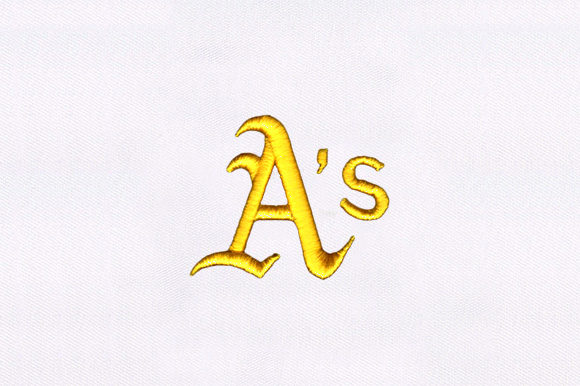
This process is particularly effective with block-style fonts like "A s Letters." The bold, geometric nature of such typography provides ample surface area for the foam to expand uniformly without distorting the letter's integrity. Thin scripts or highly detailed cursive fonts often fail in puff applications because there is insufficient space for the foam to create volume, leading to flattened or uneven results. Therefore, selecting the right font style is the first critical step in the design process.
The Role of Digital Files in Precision
The transition from a physical concept to a stitched reality begins with the digital embroidery file. These files contain the instructions for the machine, dictating stitch types, colors, directions, and jump movements. For A s Letters, 3d Puff designs, the accuracy of these instructions is paramount. A poorly digitized file can lead to skipped stitches, thread breaks, or uneven puff heights. Consequently, the choice of file format becomes a significant consideration for both the digitizer and the end-user.
While many users are familiar with common formats like PES or DST, the ecosystem of embroidery software supports a wide array of proprietary and universal formats. Each format serves a specific purpose, whether it is compatibility with consumer-grade machines, advanced editing capabilities, or archival stability. Understanding these nuances ensures that your designs remain versatile and accessible regardless of the equipment being used.
Navigating File Formats for Maximum Compatibility
When working with A s Letters, 3d Puff designs, you will encounter a diverse range of file extensions. Knowing which format to use based on your specific needs can save time and prevent technical errors. Below is a breakdown of the most relevant formats encountered in professional and hobbyist workflows.
- PES: Perhaps the most widely recognized format, PES is the native format for Brother machines. It is universally supported by many entry-level and mid-range embroiderers. Its broad compatibility makes it an excellent default choice for sharing designs with a general audience.
- DST: The Tajima format, known as DST, is an industry standard used in commercial manufacturing. It is a universal language that almost all industrial machines can read. If you are sending a design to a print shop or using high-end equipment, DST is often the safest bet for reliability.
- JEF: Janome and Memory Craft machines utilize the JEF format. While less universal than PES or DST, it remains a crucial format for owners of these specific brands, offering robust support for complex stitch patterns.
- HUS: Husqvarna Viking and Elna machines rely on the HUS format. This format is optimized for the specific stitching algorithms of these machines, ensuring that the nuanced details of a puff design are rendered correctly.
- VIP and VP3: These are associated with Melco (Brother-based) machines. VIP is a database format often used in larger production environments, while VP3 is a vector-based format that allows for easier editing and resizing before conversion to stitch data.
- PEC and PCS: Primarily used by Pfaff machines, PEC is a common format for this brand's user base. PCS is another variant that may be encountered in older Pfaff systems or specific export scenarios.
- EXP: Used by Barudan machines, EXP is a staple in the commercial sector. It is known for its precision and is often preferred by professional digitizers who require tight control over stitch placement.
- CND: This format is associated with Cornely machines, which are specialized for chainstitch embroidery. While less common for standard puff lettering, it is relevant for specific decorative applications.
- DSB, DSZ, TAP, XXX, ART: These formats represent various niche or legacy standards. ART is often linked to Wilcom, a leading software suite in the industry. DSB and DSZ may relate to specific domestic machine brands or older proprietary systems. TAP and XXX are less ubiquitous but may appear in specialized datasets or regional markets. Always verify compatibility with your specific machine model when encountering these less common extensions.
Why Format Diversity Matters
The existence of so many formats might seem confusing, but it reflects the fragmented history of the embroidery industry. Different manufacturers developed their own coding languages to protect intellectual property and ensure optimal performance on their hardware. For a user possessing A s Letters, 3d Puff designs, having access to multiple formats ensures that your creative assets are not locked into a single ecosystem. It allows you to switch machines, collaborate with other designers, or prepare files for commercial production without losing the integrity of the original design.
Practical Applications and Use Cases
The versatility of A s Letters, 3d Puff extends across numerous industries. Its tactile nature makes it ideal for products where durability and visibility are key. In the realm of fashion, it is a staple for baseball caps, beanies, and denim jackets. The raised texture adds a layer of sophistication that flat printing cannot replicate.
In corporate branding, puff embroidery is often used for uniforms, particularly in hospitality and sports sectors. The logo or name embroidered in puff stands up to frequent washing and heavy wear, maintaining its appearance over time. For educators and students, custom puff lettering on school spirit wear fosters a sense of community and pride.
Furthermore, the hobbyist community heavily utilizes these designs for personalization. Customizing gift items, such as baby blankets or pet collars, with soft, raised letters adds a unique, handmade touch. The ability to edit and customize these designs using various software tools empowers creators to tailor every aspect of the final product, from font size to color palette.
Best Practices for Digitizing and Stitching
Creating a successful A s Letters, 3d Puff design requires attention to detail during the digitizing phase. Here are several best practices to ensure high-quality results:
- Underlay Stitches: Proper underlay is crucial for stabilizing the fabric and holding the foam in place. A dense zigzag underlay helps anchor the design before the top stitches are applied.
- Stitch Density: Puff embroidery requires careful management of stitch density. Too dense, and the foam will not expand properly, resulting in a hard, uncomfortable finish. Too sparse, and the design may lack definition. A balanced density allows the foam to push through the threads evenly.
- Trimming Technique: After stitching, the excess foam must be carefully trimmed away. This step should be done with sharp scissors or a specialized trimming tool to avoid cutting the surrounding threads. Patience here is key to achieving clean edges.
- Foam Selection: Not all foams are created equal. Self-adhesive foam sheets are popular for their ease of use, but non-adhesive foams offer better control for experienced users. Choose a foam thickness appropriate for the scale of the lettering; thicker foam creates more dramatic puff but requires stronger thread tension.
Considerations for Long-Term Viability
As technology advances, the landscape of embroidery continues to shift. Digital transformation has made it easier than ever to share and modify designs, but it also raises questions about file longevity and interoperability. While proprietary formats like PES and JEF dominate current usage, open standards and universal formats like DST ensure that designs remain usable even as hardware evolves.
For professionals, investing in high-quality digitizing software that supports multiple formats is a wise decision. Tools that allow for easy conversion between formats, such as converting a Wilcom ART file to a Brother PES file, streamline workflows and reduce friction. Additionally, staying informed about new trends in font design and material science can keep your offerings fresh and competitive.
Ultimately, the success of any embroidery project depends on the synergy between design, material, and execution. A s Letters, 3d Puff offers a powerful combination of visual impact and tactile appeal. By mastering the underlying principles of digitization, understanding the nuances of various file formats, and adhering to best practices in stitching, you can produce exceptional results that resonate with your audience. Whether you are crafting a single custom piece or managing a large-scale production run, the knowledge gained from exploring these dimensions of embroidery will serve as a valuable asset in your creative toolkit.