Bee Card 3D SVG: A Practical Guide to Layered Cutting
Creating high-quality paper crafts often feels like a balancing act between artistic vision and technical execution. For many hobbyists and small business owners, the difference between a good project and a great one lies in the details—specifically, depth, texture, and dimension. This is where vector graphics designed for cutting machines become indispensable. The Bee Card 3D SVG collection offers a streamlined solution for those looking to elevate their card-making and scrapbooking projects with minimal friction. By providing pre-layered files, this resource removes much of the guesswork involved in assembling complex designs, allowing creators to focus on assembly and finishing rather than intricate digital drafting.
Understanding the Value of Layered Vector Files
At its core, a Scalable Vector Graphics (SVG) file is a digital blueprint that tells a cutting machine exactly where to move its blade or laser. Unlike raster images such as JPEGs or PNGs, which are made of pixels and lose quality when scaled, vectors are mathematically defined lines and shapes. This makes them ideal for precision cutting. However, not all SVG files are created equal. Simple single-layer designs are straightforward, but they often lack the visual impact needed for professional-grade cards or decorative items.
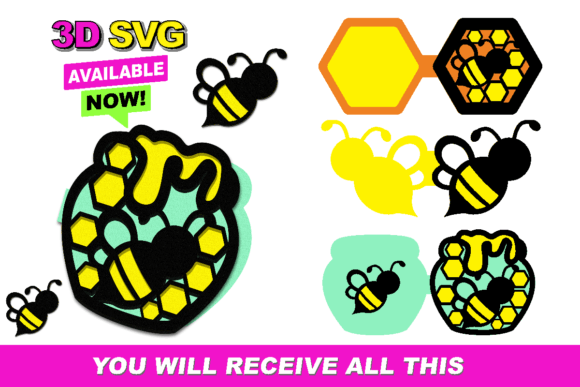
The Bee Card 3D SVG addresses this by offering a multi-layered approach. Instead of drawing each element from scratch, users receive a structured set of layers that correspond to different depths of the final design. When these layers are cut from materials like cardstock, foam, or vinyl and stacked together, they create a three-dimensional effect. This technique adds physical presence to a flat medium, making the artwork pop off the page. For entrepreneurs selling handmade goods, this added dimension can significantly increase perceived value, justifying higher price points and attracting customers who appreciate artisanal quality.
Compatibility and Software Integration
One of the most significant advantages of using this specific collection is its compatibility with industry-standard software. The files are optimized for use in Silhouette Studio and Cricut Design Space, two of the most popular platforms for crafters worldwide. This ensures that whether you own a Cameo, a Maker, or an Explore series machine, you can import the files directly without needing complex conversion tools. The layered structure within the SVG allows users to easily separate elements, assign different colors or materials to each layer, and arrange them in the correct order before sending the job to the cutter.
However, it is crucial to acknowledge that while these formats are widely supported, they may not be natively compatible with every type of cutting machine or software environment. If you are using alternative hardware or specialized industrial equipment, you must verify that your system can interpret layered SVG structures correctly. Some older software versions or niche programs might struggle with nested groups or specific color-coding conventions used in the Bee Card 3D SVG files. In such cases, users may need to export the design as a DXF or PDF file first, then re-import it into their preferred software to ensure proper layer separation. Always test a small section of the design on scrap material before committing to expensive substrates.
Practical Applications and Creative Benefits
The utility of the Bee Card 3D SVG extends beyond simple greeting cards. Its versatility makes it suitable for a wide range of applications, each benefiting from the depth and clarity that layered cutting provides.
- Personalized Greeting Cards: For birthdays, anniversaries, or holidays, adding a 3D bee motif creates a memorable keepsake. The layered construction allows for realistic shading and volume, turning a standard folded card into a tactile experience.
- Home Decor and Wall Art: Large-scale prints of these designs can be cut from heavier cardstock or wood veneer and mounted on walls. The interplay of shadows between layers adds sophistication to minimalist decor.
- Event Invitations: Weddings and corporate events often require invitations that stand out. A 3D element on the envelope or inside the invite signals attention to detail and care, setting a tone of elegance before the event even begins.
- Educational Materials: Teachers and educators can use these designs to create engaging classroom decorations or hands-on learning aids. The clear separation of layers helps students understand concepts of depth and perspective in art and geometry.
For freelancers and bloggers, these designs serve as excellent content generators. Creating video tutorials on how to assemble the Bee Card 3D SVG can drive traffic to blogs or social media channels. The step-by-step nature of layering provides natural pacing for instructional content, keeping viewers engaged as they watch the transformation from flat sheets to a finished product.
Efficiency in Production
Time is a critical resource for anyone running a small creative business. The Bee Card 3D SVG collection includes three distinct layered files, which means you have variety without the need to commission custom designs. This reduces the time spent on digital preparation. Instead of spending hours aligning paths and ensuring no overlaps cause cutting errors, you can trust that the file structure is already optimized. This efficiency translates directly into faster turnaround times for orders and more capacity to take on additional clients.
Furthermore, the consistency provided by pre-made files ensures brand uniformity. If you sell handmade cards, maintaining a consistent style across your product line builds recognition. Using the same base design files allows you to experiment with different colors, textures, and embellishments while keeping the core aesthetic stable. This balance between creativity and consistency is key to building a sustainable brand identity.
Considerations for Best Results
While the Bee Card 3D SVG simplifies the cutting process, achieving a flawless result still requires attention to material selection and machine calibration. The thickness of your cardstock will affect how well the layers stack. Thicker papers may create too much bulk, causing the layers to push apart unevenly or make the card difficult to fold. Conversely, very thin papers might tear during the cutting process if the machine pressure is not adjusted correctly.
It is also important to consider the adhesive strategy. Double-sided foam tape is commonly used to create space between layers, enhancing the 3D effect. However, the amount of foam needed depends on the size of the design and the desired level of relief. Experimenting with different foam heights can help you find the perfect balance for each project. Additionally, always clean your cutting blades regularly. Dull blades can snag on layered cuts, leading to jagged edges or incomplete separations, especially in fine details typical of insect or floral motifs.
Finally, remember that digital perfection does not always translate perfectly to physical reality. Slight variations in paper grain, humidity, and machine tension can affect the final outcome. Embracing these minor imperfections can add character to handmade items, distinguishing them from mass-produced alternatives. The goal is not robotic precision, but rather the charm of human craftsmanship enhanced by digital tools.
Conclusion
The Bee Card 3D SVG represents a practical intersection of technology and traditional crafting. By offering ready-to-use, layered files compatible with major cutting software, it empowers creators to produce sophisticated, dimensional work without requiring advanced graphic design skills. Whether you are a seasoned pro looking to streamline your workflow or a beginner eager to explore 3D paper crafts, this collection provides a solid foundation for creative expression. As long as users remain mindful of material limitations and software compatibility, the results can be both beautiful and commercially viable.