Circus Card 3D SVG
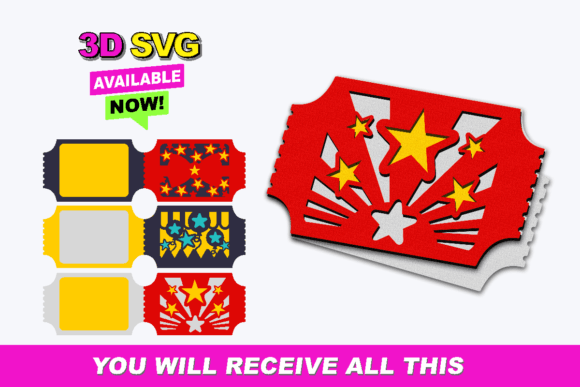
Creating a memorable greeting card has always been about more than just folding paper; it is about the element of surprise and the tactile experience of opening a gift. This is where the Circus Card 3D SVG becomes an invaluable asset for crafters and designers alike. Unlike traditional flat cards, a three-dimensional design adds depth, movement, and theatrical flair that instantly captures attention. The specific collection you are looking at includes 3 layered files that are engineered to work seamlessly with popular cutting software, specifically Silhouette Studio and Cricut Design Space. This compatibility ensures that what starts as a digital concept translates accurately into a physical object without unnecessary frustration or trial-and-error.
For hobbyists who value precision and professionals who need reliable deliverables, the distinction between a generic template and a well-structured layered file cannot be overstated. A poorly constructed SVG often results in misaligned layers, difficult weeding processes, or designs that collapse when assembled. The Circus Card 3D SVG addresses these common pain points by providing a structured approach to assembly. By breaking the complex design down into manageable layers, the creation process becomes less about guesswork and more about following a logical sequence. This structure not only speeds up production but also improves the final aesthetic quality, ensuring that every tent, balloon, and character sits exactly where it should.
Understanding the Value of Layered Digital Files
At its core, a 3D SVG file is a set of instructions for a cutting machine. However, not all SVGs are created equal. The Circus Card 3D SVG collection is distinct because it contains 3 layered files. In the context of papercrafting, "layers" refer to separate groups of vector paths that correspond to different depths or components of the final image. When you import these files into your design software, you can manipulate each layer independently. This capability is crucial for creating pop-up effects, shadows, and dimensional highlights that give the card its circus theme its vibrant energy.
For users of Silhouette Studio and Cricut Design Space, this means you do not have to manually trace or redraw elements. You simply upload the file, organize the layers according to the provided guide, and send the job to your cutter. This efficiency is particularly beneficial for small business owners or freelancers who produce cards in batches. Time saved on setup and troubleshooting directly translates to higher output and lower operational costs. Furthermore, the consistency of the cut ensures that every card looks professional, which is essential for maintaining a strong brand reputation in competitive markets like Etsy or local craft fairs.
Compatibility and Machine Considerations
While the Circus Card 3D SVG is optimized for Silhouette Studio and Cricut Design Space, it is important to acknowledge the broader ecosystem of crafting tools. If you are using another type of machine, such as a laser cutter, plotter, or a different proprietary cutting system, you must ensure that you are able to use this type of file with your machine. Most modern digital cutters support standard SVG formats, but the way they interpret layers and color codes can vary significantly. Some machines require specific color-to-layer mappings, while others rely on grouping structures within the file.
Before purchasing or downloading, take a moment to review your machine’s manual or consult the manufacturer’s documentation regarding SVG handling. For instance, if your software does not automatically recognize layer groups, you may need to manually assign colors or names to each layer to ensure correct separation during the cutting phase. This step requires a bit of technical diligence but prevents wasted material and time. Understanding these nuances allows you to adapt high-quality digital assets to your specific workflow, regardless of the hardware you choose to employ.
Enhancing Creativity Through Structured Design
One of the most compelling aspects of the Circus Card 3D SVG is how it supports creativity without imposing rigid constraints. Because the design is modular, you can experiment with materials, colors, and textures to suit different occasions. While the default theme might evoke a festive carnival atmosphere, the structural integrity of the 3D layers allows for subtle customization. For example, educators might use the playful imagery to create engaging classroom decorations or interactive learning aids. Parents can assemble these cards for birthdays or holidays, adding personal touches like handwritten notes or embellishments before sealing the envelope.
The ability to customize extends beyond just aesthetics. It also involves practical considerations such as card size and paper weight. Thicker cardstock provides better stability for the 3D elements, preventing sagging over time, while lighter papers might be better suited for intricate details. By testing small prototypes first, you can determine the optimal balance between durability and delicacy. This iterative process is part of the creative journey and helps refine your technique. Over time, you will develop a keen sense of which materials work best with the Circus Card 3D SVG layers, leading to more confident and polished results.
Practical Applications for Various Audiences
The versatility of this design makes it relevant to a wide range of users. Marketers and bloggers can leverage the visual appeal of 3D cards for promotional campaigns or seasonal newsletters. A tangible, handcrafted item stands out in a digital inbox, offering a unique way to connect with an audience. Small business owners in the stationery industry can offer these as premium products, highlighting the complexity and care involved in their production. Even hobbyists who primarily craft for themselves benefit from the satisfaction of mastering a slightly more advanced project. The 3 layered files provide a challenge that is rewarding to overcome, fostering a sense of accomplishment that simple cutouts rarely achieve.
Educators can also find innovative uses for these files. They can incorporate them into lessons about geometry, symmetry, and spatial reasoning. By analyzing how the layers interact to create depth, students gain a deeper understanding of three-dimensional space. This educational angle adds value beyond the craft itself, making the Circus Card 3D SVG a useful tool in both recreational and academic settings. The key is to view the file not just as a template, but as a resource that can be adapted to meet diverse goals.
Optimizing Your Workflow for Best Results
To get the most out of the Circus Card 3D SVG, adopting a systematic approach to your workflow is recommended. Start by organizing your workspace and ensuring your cutting mat is clean and free of debris. When loading the file into Silhouette Studio or Cricut Design Space, double-check that all layers are aligned correctly. Misalignment at this stage can lead to significant errors later in the assembly process. Use the software’s preview function to visualize how the layers will look once cut, allowing you to make adjustments before committing to material.
During the cutting phase, pay close attention to blade pressure and speed settings. Different materials require different parameters, so consult your machine’s guidelines for the specific paper stock you are using. After cutting, allow yourself ample time for weeding—the process of removing excess material from around the design. Using a sharp pair of tweezers or a weeding tool can make this step much easier, especially for intricate details typical of circus-themed illustrations. Finally, when assembling the 3D card, follow the layer order meticulously. Glue sparingly to avoid warping the paper, and allow sufficient drying time between steps to ensure the structure holds its shape.
Considering Limitations and Fit
While the Circus Card 3D SVG offers numerous benefits, it is important to recognize its limitations. The design assumes a certain level of proficiency with digital cutting tools. Beginners may find the layer management challenging initially, requiring patience and practice. Additionally, the physical dimensions of the final card depend on the scale settings in your software. Always perform a test cut on scrap paper to verify sizing and fit before working with expensive materials. This precautionary step saves resources and reduces stress.
Furthermore, the aesthetic impact of the 3D effect relies heavily on the quality of the paper and the precision of the cuts. Low-quality cardstock may tear easily or fail to hold creases properly, diminishing the overall presentation. Therefore, investing in good materials is just as important as having the right digital files. By acknowledging these factors and planning accordingly, you can mitigate potential issues and focus on the joy of creation. The Circus Card 3D SVG is a powerful tool, but its success ultimately depends on the care and attention you bring to the process.
In conclusion, the Circus Card 3D SVG represents a thoughtful intersection of technology and artistry. Its compatibility with major cutting platforms, combined with its structured layering, makes it a practical choice for anyone looking to elevate their papercraft projects. Whether you are a seasoned pro seeking efficiency or a newcomer eager to learn, this collection provides a solid foundation for creating stunning, three-dimensional designs. By approaching the project with preparation and creativity, you can transform simple sheets of paper into captivating works of art that delight recipients and inspire confidence in your own skills.